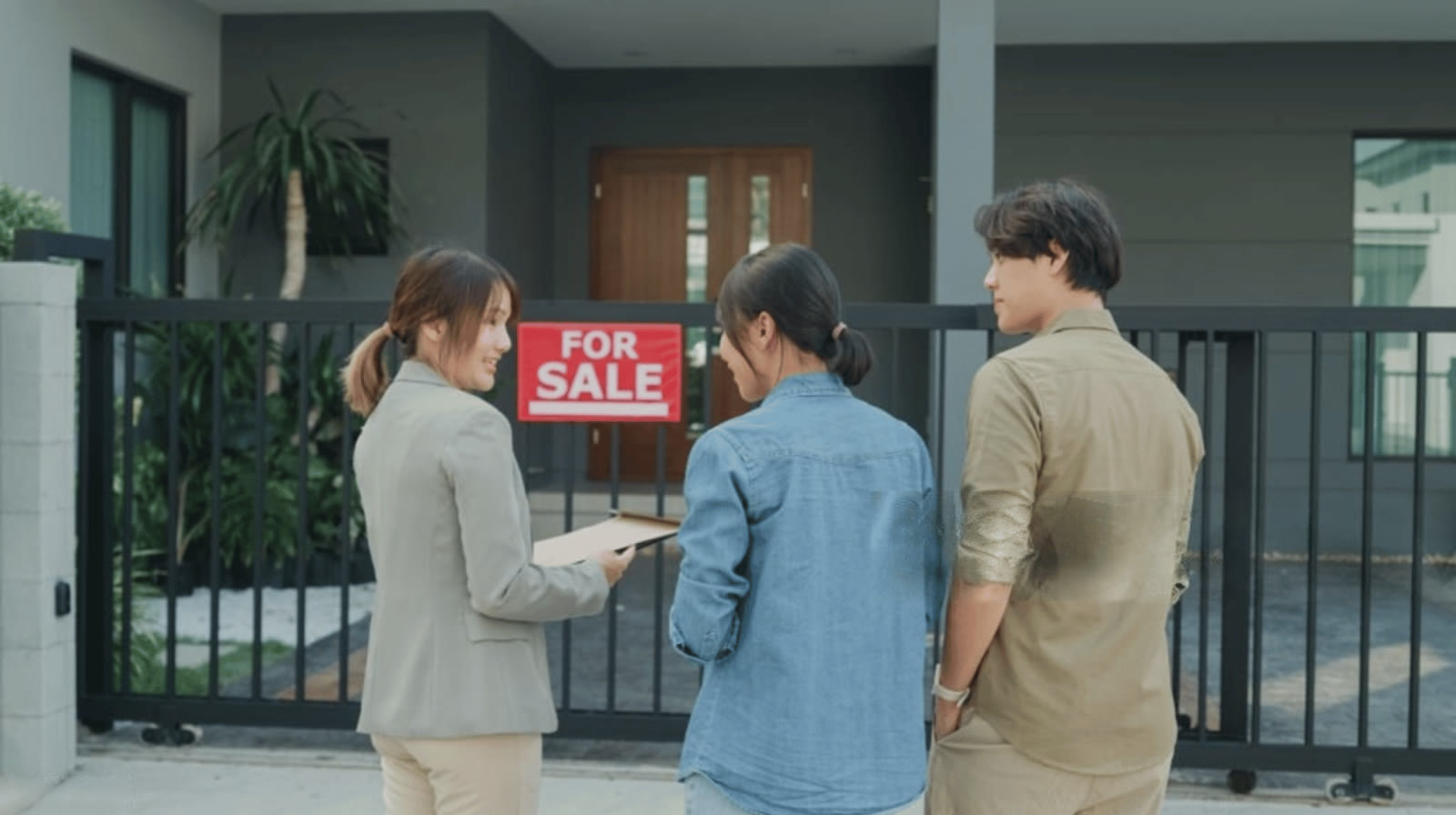
Buying a home is one of the biggest financial decisions most people will ever make, and the property inspection is where that decision really begins to take shape. It is easy to walk through a beautifully staged home and get swept up in the fresh paint, nice furniture, and warm lighting — but a smart buyer knows how to look past the surface and assess what really matters.
Whether you are a first-time buyer or simply exploring properties for sale in Adelaide, knowing what to check during an inspection can save you from costly surprises down the track and help you make a confident, informed decision.
Why Inspections Matter More Than You Think
An open inspection is often your first and sometimes only chance to assess a property before making an offer. While photos and floor plans give you a general idea, nothing replaces walking through the space yourself, testing things, and getting a feel for how the home actually functions.
Rushing through an inspection or relying purely on emotion can lead to missing important details — details that might affect the property's value, livability, or future maintenance costs.
Start With the Structure
Walls, Ceilings, and Foundations
Look closely at the walls and ceilings for cracks, especially larger or diagonal cracks that may indicate structural movement. Small hairline cracks are often normal and related to natural settling, but anything significant is worth asking about or having assessed by a building inspector.
Check the corners of rooms and around windows and doors, as this is often where structural issues become visible first.
Roof and Guttering
If possible, take a look at the roof from outside. Missing or damaged tiles, sagging sections, or rusted guttering can indicate maintenance issues that may require attention soon after purchase. Roof repairs can be expensive, so this is worth factoring into your overall assessment.
Flooring
Walk across every floor in the house. Listen for creaks, check for uneven sections, and look for signs of water damage, especially in older homes. If carpets are present, consider what might be hiding underneath.
Check for Moisture and Water Damage
Water damage is one of the most common — and most costly — issues found in homes. Look for:
- Discoloured patches on ceilings or walls
- A musty smell, particularly in bathrooms, basements, or under-house areas
- Peeling paint or bubbling wallpaper
- Soft or spongy spots on window sills or skirting boards
Bathrooms and laundries deserve particular attention, as poor waterproofing can lead to expensive repairs later on. Check the grout and sealant around showers and baths, and look underneath sinks for any signs of leaks.
Test the Doors and Windows
Open and close every door and window you can. Doors that stick or do not close properly can sometimes indicate structural movement, while windows that are difficult to open might need repair or replacement.
Check window seals as well — gaps or damaged seals can lead to higher energy bills due to poor insulation, something worth considering as part of your long-term running costs.
Assess the Plumbing and Electrical Systems
You do not need to be a tradesperson to do a basic check. Turn on taps to see how the water pressure feels, and check for any visible leaks under sinks. Flush toilets to ensure they are working properly.
For electrical systems, check that light switches and power points are functioning, and take note of the switchboard. Older homes may still have outdated wiring, which could mean additional costs for upgrades to meet current safety standards.
Look Beyond the Walls — Outdoor Areas Matter Too
The exterior of a property is just as important as the interior. Walk around the yard and check:
- The condition of fencing and boundaries
- Drainage — does water pool anywhere after rain?
- The state of any outdoor structures like sheds, garages, or carports
- Trees close to the home that could cause root damage to foundations or plumbing over time
A well-maintained outdoor area not only adds value but also reduces the likelihood of unexpected maintenance costs.
Consider the Location and Surrounds
While you are at the property, take time to notice the surrounding environment. Is the street quiet or busy? How close are schools, public transport, and shops? Is there visible noise or pollution from nearby roads or industrial areas?
These factors do not show up in photos but have a major impact on your day-to-day living experience and the property's long-term value.
Renovations and Additions — Ask the Right Questions
If a property has had renovations or extensions, it is worth asking whether the work was completed with the appropriate permits and approvals. Unapproved renovations can create complications later, particularly when it comes to insurance, resale, or future renovations of your own.
A residential property for sale with a well-documented renovation history offers far more peace of mind than one with undocumented changes that could become your problem to resolve.
Bring a Checklist — And Use Your Phone
It is easy to forget details once you have inspected several properties in a single day. Bring a simple checklist covering the key areas mentioned above, and take photos or short videos as you go. This will help you compare properties more accurately later and recall specific details when discussing the home with family, your partner, or your real estate agent.
Don't Be Afraid to Ask Questions
A good real estate agent expects buyers to ask detailed questions during an inspection. Do not hesitate to ask about the age of the roof, when the hot water system was last replaced, or whether there have been any pest issues in the past. Working with an experienced real estate agency in Adelaide means you have access to professionals who can provide honest answers and help guide you through the buying process with confidence.
If you are serious about a property, it is also worth organising a professional building and pest inspection before finalising your purchase. While a visual inspection gives you a strong first impression, a qualified inspector can identify issues that are not visible to the untrained eye.
Trust Your Instincts, But Verify With Facts
Sometimes a property simply feels right — and that intuition matters. But pairing that gut feeling with a thorough, practical inspection ensures you are making a decision based on more than just emotion. The best property purchases come from buyers who fall in love with a home and feel confident about its condition, value, and long-term suitability.
Final Thoughts
Inspecting a property thoroughly is one of the most important steps in the home-buying journey. Taking the time to check the structure, plumbing, electrical systems, and surrounding environment can save you from unexpected costs and help you make a decision you will feel good about for years to come.
Whether you are browsing your first open home or you are an experienced buyer exploring the market, a careful, methodical approach to inspections will always serve you well. Take your time, ask questions, and do not be afraid to walk away if something does not feel right — the right property for you is out there, and a smart inspection process will help you recognise it when you find it.